Monday, April 5, 2010
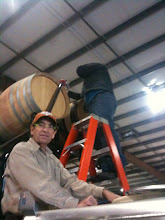
Bottles of Pinot noir naked no longer
Soon, the Pinot noir bottles will be naked no longer. The labels have been ordered and delivered this month. 178 cases of intensity and magic aromatics held together by the mystery of gravity, for as long as the bills are paid.

Monday, March 8, 2010
Viticulture
We have 2,420 vines per acre at the western border of Santa Rita Hills AVA. The site is cool, with sandy well draining soils. We do cutting edge viticulture equal to the best in the world, overseen by Tom Prentice of Crop Care and Jeff Newton, Ben Merz of Coastal Vineyard Care.
Saturday, February 27, 2010
I don't have a label!
The first Pinot noir from our vineyard and winery is now awaiting a label. I forgot about doing it. So the 178 cases have no labels. This is complicated.
Sustainable Farming: We wanted to do it right, we just weren't sure what "right" meant
We all experience it every day. Thirty million of us wonder if we should toss a plastic water bottle in the trash or reuse it for a while and risk bacterial infections. We all want to try to do things right, but what would "right" look like? For several years we farmed our vineyards organically. Organic farming addresses important issues facing farming today, but I wanted to move beyond organic farming by addressing the efficient use of electricity and water, the rights of laborers, and meeting specific sustainability farming criteria. SIP Certification meets a broader, more comprehensive goal of sustainability. SIP™ certification standards have been reviewed by more than 30 state, federal, environmental, social, agricultural and university experts. Outside auditors certify results and assure that program participants are doing exactly what they promise. We were thrilled to hear about the new SIP™ certified sustainable program for vineyards, and we signed up the first year for the pilot program.
Christine and I always wanted climate, thats why our site is in Santa Rita Hills
Climate is everything to quality wine grapes. Surviving frosts, slow ripening, little pest pressure, low humidity, no heat waves to suck the acid out of the grapes, no rain around harvest, these attributes are what make coastal California ideal for grape growing. And add to that a viticulturally educated work force, that makes it possible to do the very best grape growing.
We are trying to do something: the best viticulture we can
Viticulture, the best we can muster, is our goal. From tight 6x3 spacing, variable drip irrigation, shoot thinning, cluster thinning, we are doing everything possible. Reservoir and good roads, canopy management and pest monitoring, it happens here.
So that's why we are building the reservoir.
So that's why we are building the reservoir.
Friday, February 19, 2010
Santa Rita Hills AVA
Its February 19, and vines are budding out all over the valley, while we wait for bud break at Hilliard Bruce. Cover crops are green, and the second pruning has started. Construction on the new 5.2 acre reservoir is ongoing and will not have water in it for this season's frost control. Will this wet year mean less frost? Santa Rita Hills is gorgeously green.
Subscribe to:
Posts (Atom)